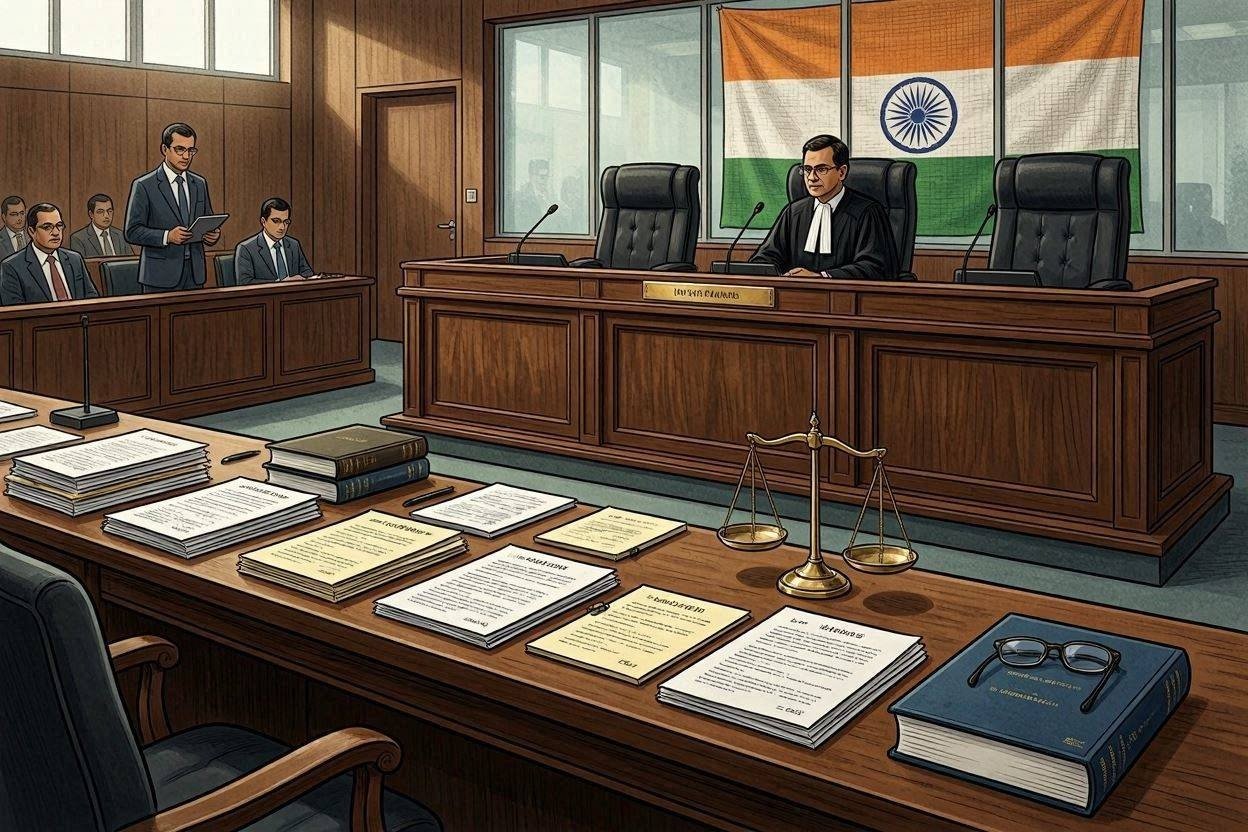
New Delhi, July 2026: The Central Government has appointed Justice Yogesh Khanna as the Officiating Chairperson of the National Company Law Appellate Tribunal (NCLAT), ensuring continuity in the functioning of India's premier appellate tribunal for corporate and insolvency matters.
The appointment comes after the retirement of Justice (Retd.) Ashok Bhushan, who demitted office as Chairperson of NCLAT on July 4, 2026, upon attaining the prescribed age limit. Justice Khanna will hold the additional charge for a period of three months from July 5, 2026, or until a regular Chairperson is appointed, whichever is earlier.
Justice Yogesh Khanna currently serves as a Judicial Member of NCLAT. He joined the tribunal on February 19, 2024, following his retirement from the Delhi High Court. The official NCLAT website has also updated its records reflecting his appointment as Officiating Chairperson with effect from July 5, 2026.
Before joining NCLAT, Justice Khanna had a distinguished judicial career. A graduate of Delhi University and Campus Law Centre, he began legal practice in 1986 and later joined the Delhi Higher Judicial Service in 2000. He served in various judicial capacities before being elevated as a Judge of the Delhi High Court in 2016. He retired from the High Court in December 2023.
Justice Khanna is widely known for handling several significant cases during his tenure in the judiciary. His appointment is expected to provide stability to the tribunal during the transition period following the completion of Justice Ashok Bhushan's tenure.
NCLAT serves as the appellate authority for decisions of the National Company Law Tribunal (NCLT) and hears appeals under the Insolvency and Bankruptcy Code, 2016, as well as matters relating to competition law and financial reporting regulations. The appointment of an officiating head ensures uninterrupted adjudication of corporate insolvency and company law disputes across the country.
Legal experts view the appointment as an important administrative measure aimed at maintaining institutional continuity while the government undertakes the process of appointing a regular Chairperson for the tribunal.